


Malek National Library and Museum was functioning in Malek House until 1996. But Haj Hossein had already thought of its development and had the foresight to predict a larger building ...
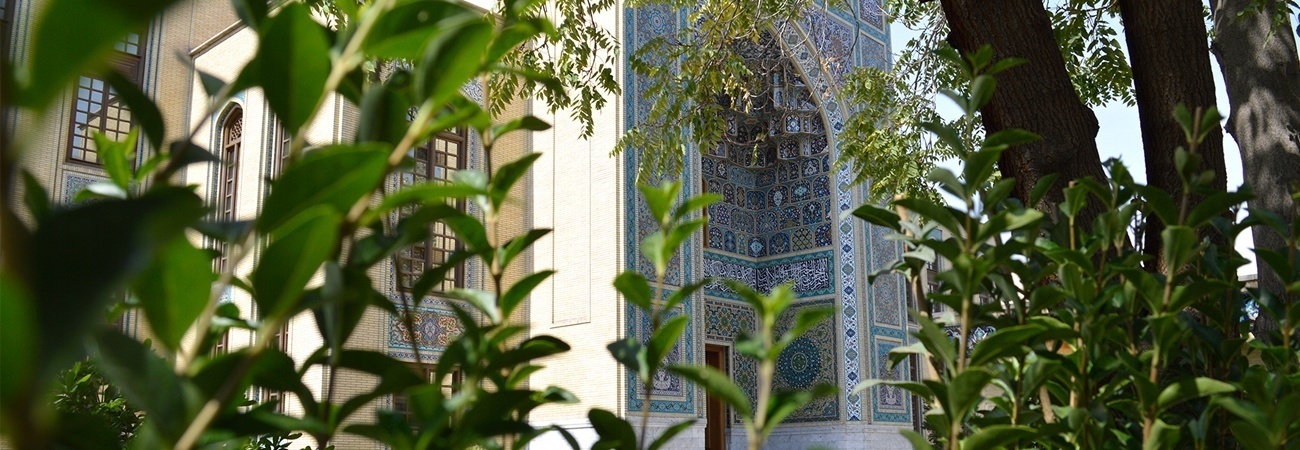
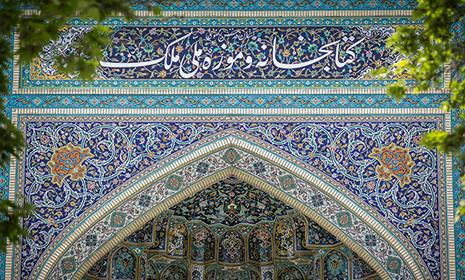
Malek National Library and Museum as the most important private cultural endowment institution condemns the threat made by the president of the United States to attack the different cultural sites in Iran. Malek National Library...

Tehran Picture Agency, associated with Tehran Municipality, pictured the tourists visiting the Malek National Library and Museum....

Concurrent with Birth Anniversary ceremony of Mohammad Prophet (PBUH) in Malek National Library and Museum, friends of this institution will hold the management of the first private-waqf museum of Iran and hold the Birth Anniversary...

While Iran joined the famous website “izi.travel”, museum halls and artifacts of Malek National Library and Museum as the first and the only museum of Iran can now be viewed by the international audiences....


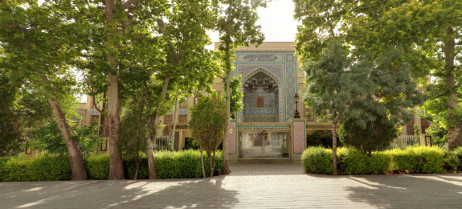
Malek National Library and Museum was functioning in Malek House until 1996. But Haj Hossein had already thought of its development and had the foresight to predict a larger building ...